45 Years of IOR Sailing: Watching Yachts Change from the Inside
Part 1 — From Optimist to IOR Sailing
It All Started Thanks to My Father
He had been sailing since he was young, first on traditional lateen-rigged boats, and when I started sailing, he also became my first instructor. The family’s sailing tradition actually went back another generation: a great-uncle of mine owned a yacht of around 30 metres, something truly exceptional for that time.
My father sailed Snipes with my mother, so sailing was already part of everyday life at home long before I even knew what an IOR rule was.
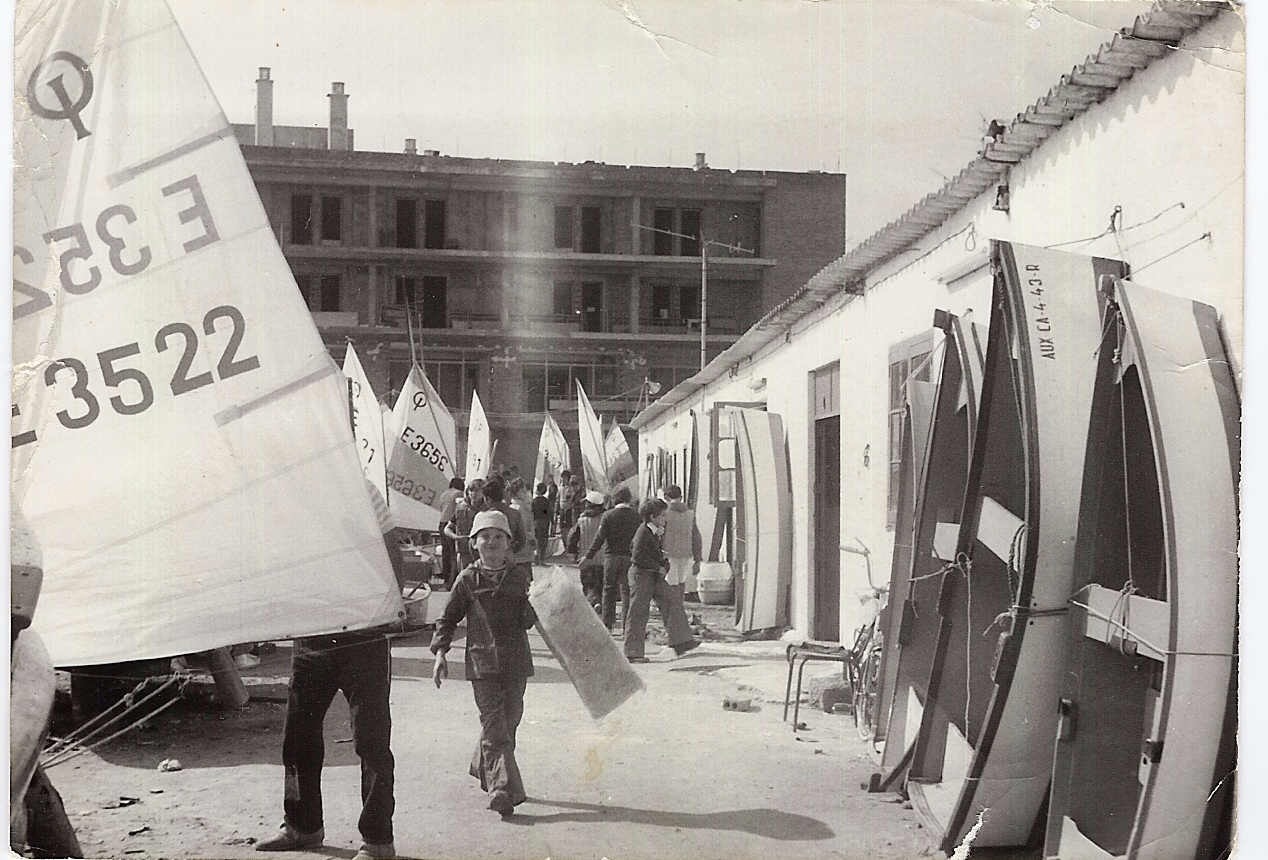
I started in Optimist. In 1976, with that tiny hull, a single sail and no electronics, my entire sailing world fitted into just 2.30 metres. And to me, it seemed enormous.
Two years later, in 1979, I won the South Atlantic Sailing Federation Optimist Championship, which took me to the Spanish Championship in Mallorca.
I remember arriving there and thinking that one day I would come back.
I had no idea then just how true that would turn out to be.
Suddenly, 26 Feet Seemed Enormous
When I moved on from the Optimist, while continuing to sail in different dinghy classes, I looked after an uncle’s Puma 26.
That 26-foot boat seemed enormous to me. It makes me smile now, after sailing and working on yachts over 45 metres, but back then, stepping aboard that Puma felt like entering another world.
Then came the Flying Dutchman, the 420,470, the TDV and the Tornado. Each class taught me something different: balance, speed, sail trim, anticipation and, above all, how to feel the boat.
Without screens telling you what was happening.
From Dinghies to IOR Sailing
My first passage of more than 400 miles was from Cádiz to Vigo, sailing with a Merchant Navy captain. That was something else entirely.
Then came the offshore races: eight Huelva–La Gomera races, the Príncipe de Asturias, Sherry, Copa del Rey, the Vuelta Ibérica…
Those years also took me into increasingly ambitious projects: I became part of the construction team of the first Spanish America’s Cup challenge, and later came World Championships aboard 50-footers and Maxis.
Those were the IOR years.
Boats with narrow sterns, heavy by today’s standards, and designed around a rating rule that strongly influenced their shapes. Upwind they could be magnificent, but when the wind moved aft, the fun really began: sailing fast in strong winds and heavy seas demanded skill, concentration and a healthy dose of respect.
We weren’t planing the way boats do today. Most of the time, we were simply surviving faster.
Why IOR Boats Were So Different Downwind
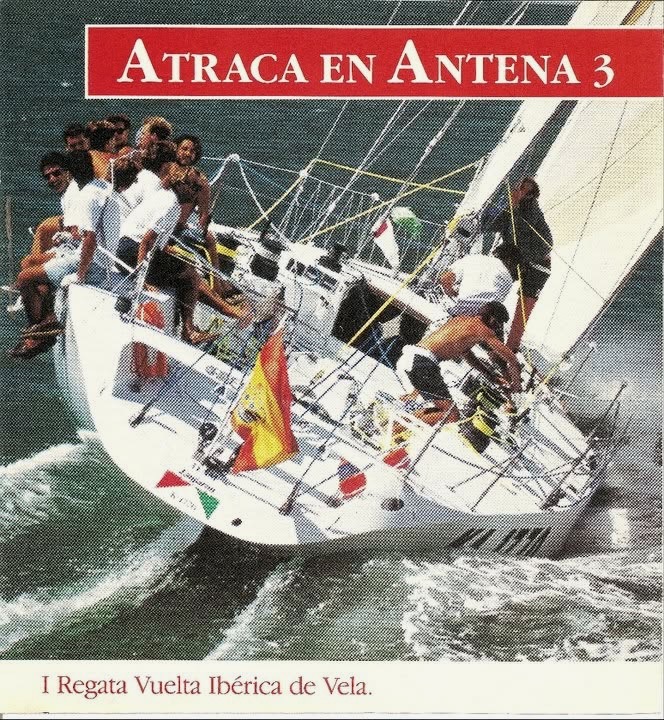
IOR boats had very narrow sterns, especially compared with modern designs.In strong downwind conditions, as the speed built up, the stern would start to dig in and the boat would end up dragging a huge amount of water behind her.
Keeping one of those boats under spinnaker could become serious work.
Today, you only have to look at the stern of a modern yacht to see how much things have changed: more beam, more volume aft and a much cleaner release.
The boat accelerates, lets go of the water, starts surfing and eventually gets up on the plane.We even found ourselves in situations where we had to do exactly the opposite: slow the boat down.
In really heavy conditions, we would sometimes stream warps from the stern to knock some speed off and keep the boat under control.It wasn’t that we were more cautious.
The boats were simply different.
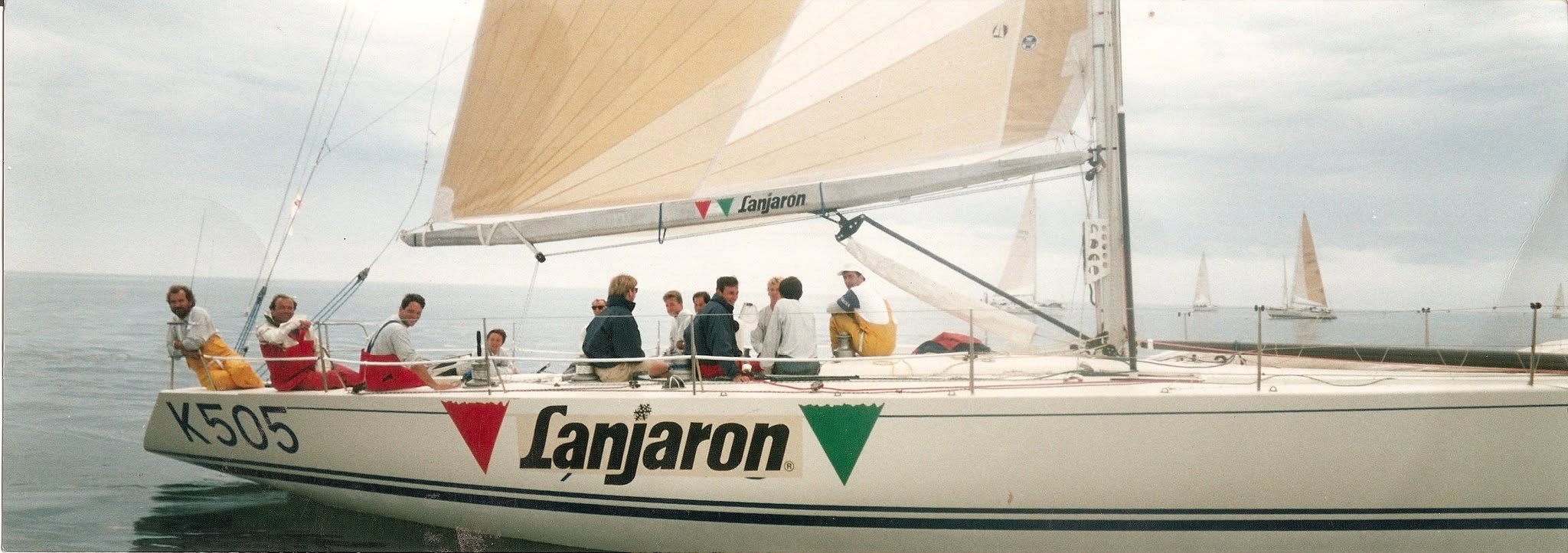
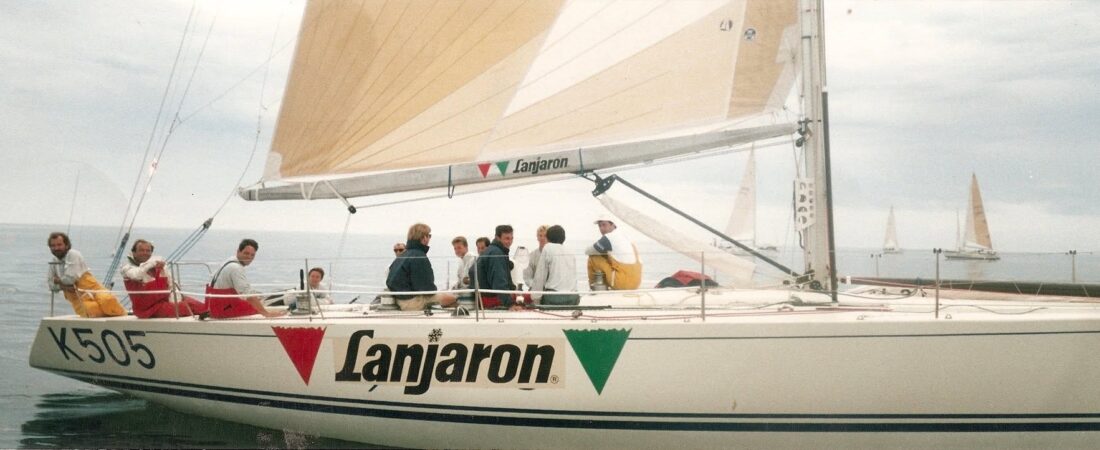
Lanjarón (Juno) crew, from stern to bow: Milmi (owner), Toño Gorostegui (helmsman, Olympic medallist and World Champion), Joan Vila (navigator, three-time America’s Cup winner and Volvo Ocean Race winner), Pichu Torcida (two-time J/80 World Champion and J/70 European Champion), George, David Madrazo, Talo, Nacho Lamadrid and Arriza.
When the Crew Could Still Beat the Boat
There’s one story that, for me, sums up those days pretty well.
During one of the Huelva–La Gomera races, we were sailing an IOR One Tonner.Sometime around three in the morning, with about 40 knots of trade wind, we had a proper wipeout.
We got the boat back on her feet, checked that everything was still good enough to carry on, and hoisted another spinnaker.
We were young. That probably explains part of it.
We went on to win the race and set the Huelva–La Gomera record that year: 765 nautical miles in 103 hours.That night says a lot about that generation of boats — and sailors.
There were still times when we could push the gear almost as hard as the gear pushed us.But that was about to change.
The Boats Were About to Change
Over the following years, the rules changed, the shapes changed and the materials changed.
Sterns got wider, hulls began releasing the water differently, and aluminium gradually gave way to carbon.
Little by little, we stopped fighting the boat and started using her speed.
We went from surviving to planing.
And something happened that we could never have imagined back then: boats evolved so quickly that they eventually became stronger, faster and, in many cases, easier to handle than we were.
But that’s the next story…